
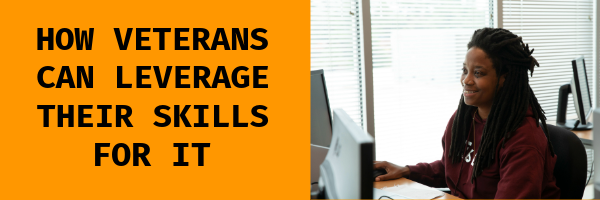
Transitioning from military service to a civilian career can be a major adjustment, but it’s also a unique opportunity to leverage the skills and experiences you’ve gained. For many veterans, Information Technology (IT), especially fields like cybersecurity, offers an ideal path forward. Here’s how your military background can set you up for success in this fast-growing industry.
Why IT Is a Great Career Path for Veterans
IT careers offer strong job security, competitive salaries, and the chance to continue serving a mission-driven purpose. Veterans naturally excel in environments where structure, discipline, and quick decision-making are essential. Plus, IT roles value teamwork and adaptability, traits cultivated throughout military service.
The Growing Demand for IT Professionals
The tech industry is facing a massive talent shortage, particularly in cybersecurity roles. According to recent workforce data, there are over 650,000 open cybersecurity positions in the U.S. alone. Organizations are actively seeking candidates with security know-how and an ability to perform under pressure, making veterans a natural fit.
Shared Values Between Military Service and IT Work
Military service and IT share a commitment to mission execution, security, and operational readiness. Just as in the service, IT professionals must be proactive protectors, leaders, and expert communicators. Both paths require discipline, attention to detail, and the ability to remain calm during high-stress situations. Core values like integrity, problem-solving, and teamwork translate directly into tech environments.
Translating Military Experience Into Civilian Tech Skills
Veterans often underestimate just how transferable their military skills are to IT. From troubleshooting and managing complex systems to safeguarding sensitive information, your experience positions you for a smooth and successful transition into the technology sector.
Key Military Skills That Map to IT Roles
Problem-Solving: Diagnosing and resolving unexpected issues, critical for IT help desk, security, and network management roles.
Technical Troubleshooting: Hands-on experience with communications or technical systems applies directly to IT support and operations.
Security Awareness: Experience protecting assets and information makes you a strong candidate for cybersecurity and risk management.
Systems Management: Managing logistics or operations mirrors the work of systems administrators and cloud specialists.
Teamwork: Collaborating toward a common objective prepares you well for project-based tech environments.
Our Real-World Examples of Veterans in IT Careers
Centriq graduates like Kenneth, former U.S. Air Force Veteran and Karney, US Army Veteran, have both transitioned into Service Operations Analyst and Enterprise Service Desk Technician, respectively. They found their military skills, attention to detail, adaptability, and determination, were exactly what leading companies look for in IT talent. Many Centriq alumni now work at top regional employers, continuing to serve in impactful ways.
IT Training Programs Designed for Veterans
The right training bridges the gap between military experience and IT certifications, unlocking fast access to rewarding tech careers. Centriq’s programs are built to accommodate veterans’ learning styles and schedules, offering hands-on, structured, and highly relevant curriculum.
Fast-Track Veteran IT Training Options
Centriq's Cybersecurity Specialist Program can launch your IT career in as little as four months. The program focuses on real-world skills, hands-on labs, and industry certifications that employers want; no previous IT experience required. Both on-campus and online training options support your transition, and classes are designed for adult learners and veterans.
GI Bill® Options Explained
Centriq is approved to accept the GI Bill®, allowing you to use your hard-earned benefits to cover tuition, books, and fees. You may also qualify for housing allowances (BAH) while you train. To use your GI Bill® at Centriq, simply apply to the program, confirm eligibility with the VA, and coordinate with Centriq’s admissions team for personalized support every step of the way.
How to Transition Smoothly from Military to Civilian IT Work
A successful transition involves more than just earning certifications. It’s about building a new professional identity, connecting with a network, and mastering the job search.
Update Your Resume and LinkedIn for IT Roles
Translate military experience into civilian language, highlight leadership, analytical thinking, and technical systems knowledge. Tailor your resume and LinkedIn profile to match IT role descriptions. Don’t forget to list certifications such as CompTIA Security+ or Azure Fundamentals and showcase relevant hands-on projects.
Build Your Network
Connecting with peers and instructors at Centriq is a great way to expand your professional network. Attend class events, career fairs, and alumni gatherings. Your fellow veterans, instructors, and employers can offer valuable advice and open doors to opportunities in tech.
Use Veteran-Focused Career Support Services
Take advantage of organizations dedicated to veteran employment, such as Hire Heroes USA and USO Pathfinder. Centriq’s career placement team also offers resume workshops, interview coaching, and direct connections with regional employers who value military experience.
Your Next Mission: Launching a Career in IT
The skills you developed while serving are exactly what the IT world needs, leadership, reliability, and a security mindset. Centriq is proud to help veterans transition swiftly into meaningful tech careers through real-world training, strong support, and employer connections. Your next mission could be a thriving career in IT. Take the next step and let us help you succeed in civilian tech.
Start your IT journey now with Centriq's Cybersecurity Specialist Program!